
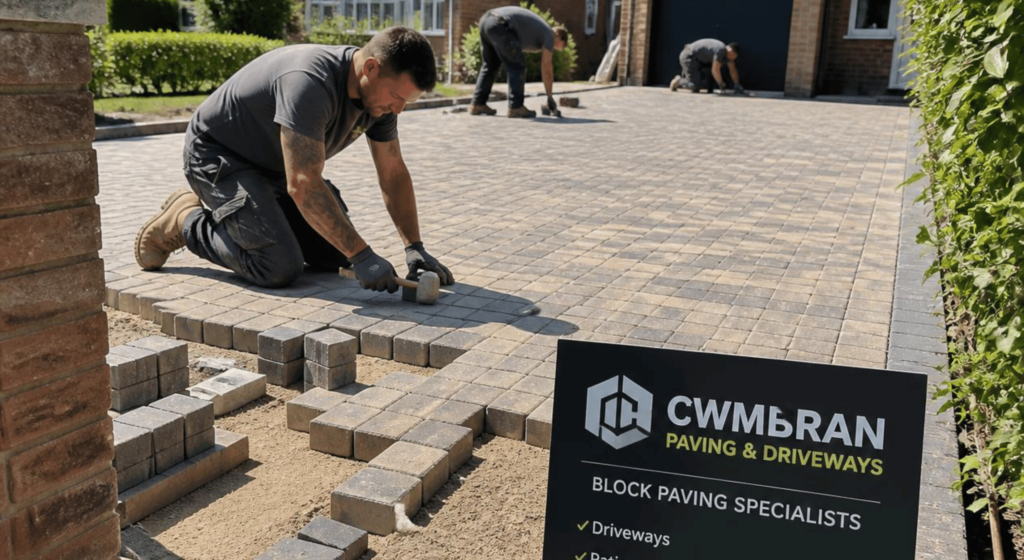
How Much Does a New Driveway Cost in Cwmbran? (2026 Prices)
If you’re getting quotes for a new driveway in Cwmbran, you want a straight answer on price before anyone knocks on your door. Here’s the short version: most Cwmbran driveways run from around £2,000 for a small gravel drive up to £8,000 or more for a large block paving job. The exact figure depends on size, material and what’s underneath your current drive.
We’re Classic Paving and Fencing, run by Andrew Morgan, who’s been laying driveways and paving across Monmouthshire and South Wales for over 35 years. We cover Cwmbran regularly, alongside Chepstow, Cwmbran, Abergavenny and the wider Torfaen area. This guide breaks down what you’ll actually pay, what changes the price, and which material makes sense for a Cwmbran garden.
Average Driveway Cost in Cwmbran by Material
Prices vary by supplier, but here’s what a typical Cwmbran homeowner should budget for a standard two-car driveway (around 50 square metres):
| Material | Cost per m² | Typical 50m² Total |
|---|---|---|
| Gravel | £45 to £60 | £2,000 to £3,200 |
| Tarmac | £75 to £90 | £3,750 to £4,700 |
| Concrete | £80 to £95 | £4,000 to £5,000 |
| Block Paving | £85 to £110 | £4,500 to £6,500 |
| Resin Bound | £95 to £130 | £5,500 to £8,000 |
South Wales building costs tend to sit a little below the UK national average, so Cwmbran homeowners often pay less than someone getting the same driveway laid in London or the South East. That’s good news if you’ve been eyeing up Checkatrade’s national driveway cost guide and wincing.
These figures cover materials and labour but not extras. If your current drive needs digging out, or the ground underneath is soft clay (common in parts of Cwmbran and the wider Torfaen borough), expect the groundwork cost to add £15 to £30 per m² on top.
What Actually Changes Your Cwmbran Driveway Price
A few things push the cost up or down more than people expect:
Size. This one’s obvious, but it’s worth saying: labour cost per square metre often drops on bigger jobs, because groundwork and edging get spread across more area.
Access. A driveway on a tight terraced street in central Cwmbran costs more to dig out than a detached house with wide side access. Machines can’t always get in, so more gets done by hand.
Drainage. Since 2008, any new impermeable driveway over 5 square metres that drains onto the road needs planning permission, unless you use a permeable material or direct the water to a soakaway on your own land. The Planning Portal’s permitted development guidance sets this out in full. Most of our Cwmbran clients avoid this altogether by choosing permeable block paving or gravel, which sidesteps the permission process completely.
Ground conditions. If we find old concrete, poor drainage or a weak sub-base when we dig out your existing drive, that adds time and cost. We always check this on the free on-site quote, not after we’ve started.
What’s already there. Removing an old tarmac or concrete drive and disposing of the waste (called “arisings”) adds to the bill. A gravel drive going straight onto bare ground is always cheaper to install than a full replacement.
Block Paving vs Tarmac vs Resin vs Gravel: Which Suits a Cwmbran Garden?
Every material has a place, but here’s how they actually stack up for Cwmbran’s mix of terraced streets and larger detached properties on the town’s outer edges.
Block paving is the most popular choice we install in Cwmbran. It handles South Wales rainfall well when laid on a permeable sub-base, and you can lift and relay individual blocks if one gets damaged or stained. It lasts 20 to 30 years with basic upkeep.
Tarmac is the quickest to lay and the cheapest way to get a smart, hard-wearing surface. It suits larger driveways where budget matters more than kerb appeal. It typically lasts 15 to 20 years before it needs resurfacing.
Resin bound driveways give you a smooth, weed-free finish with strong permeability, which matters given how much rain Cwmbran gets through autumn and winter. It costs more upfront but needs almost no maintenance.
Gravel is the cheapest option and drains well, but it needs raking and topping up every couple of years, and loose stones can end up on your lawn or in your car. It suits driveways with a rural or cottage-style property rather than a tight urban plot.
If you’re still weighing up gravel specifically, our gravel driveways guide covers costs and drawbacks in more depth.
Why Cwmbran Homeowners Choose Classic Paving and Fencing
Andrew Morgan has been laying driveways and fencing across Monmouthshire, Herefordshire and the South Wales Valleys for more than 35 years. That’s long enough to have seen how different sub-bases behave through a Welsh winter, and which materials actually hold up rather than just look good on day one.
We give every Cwmbran customer a free, no-obligation on-site quote before any work starts, so you know the real cost for your specific drive rather than a generic online estimate. We cover Cwmbran as part of our regular working area alongside Chepstow, Hereford and Abergavenny, so you’re not paying a call-out premium for a “specialist” from outside the area.
If you want a full breakdown of driveway options generally, our driveways page covers every surface type we install. For a phone chat about your Cwmbran driveway, call Andrew directly on 07973 344149.
Is a New Driveway Worth It in Cwmbran?
If your current drive is cracked, sinking, or pooling water after rain, a new driveway usually pays for itself in kerb appeal and reduced maintenance within a few years. If you’re planning to sell your Cwmbran home in the next year or two, block paving tends to give the best return, since it looks the part in photos and buyers know it lasts.
If your drive is just tired but structurally fine, ask us about resurfacing rather than a full replacement. It’s cheaper and we’ll always tell you honestly if that’s the better option for your budget, even though a full new drive is the bigger job for us.
Frequently Asked Questions
How much does a new driveway cost in Cwmbran?
Most Cwmbran driveways cost between £2,000 and £8,000, depending on size and material. Gravel sits at the cheaper end, resin bound at the more expensive end. See our driveways page for a full material breakdown, or call 07973 344149 for a free quote based on your actual drive.
Do I need planning permission for a driveway in Cwmbran?
Only if you’re using an impermeable material like standard tarmac or concrete over 5 square metres, and the water drains onto the road rather than your own land. Permeable block paving and gravel usually avoid this requirement entirely. We can advise on this during your free on-site quote.
How long does it take to lay a driveway in Cwmbran?
Most jobs take 3 to 7 days from start to finish, depending on size, material choice and whether we need to remove an old surface first. Larger resin or block paving jobs sit at the longer end of that range.
Which driveway material lasts longest in South Wales weather?
Block paving and concrete typically last 25 to 30 years. Resin bound driveways last 15 to 25 years. Tarmac lasts 15 to 20 years before resurfacing. Given how much rain Cwmbran gets, good drainage matters more than the material itself for avoiding puddling and frost damage.
Can you lay a new driveway over my old one in Cwmbran?
Sometimes, but only with tarmac over an existing sound tarmac base. Block paving, resin and concrete generally need the old surface dug out first. We’ll tell you honestly during your free quote whether your existing drive is a suitable base or needs removing.
Do you offer free quotes for driveways in Cwmbran?
Yes. Andrew visits every property in person before quoting, because online estimates can’t account for ground conditions, access or drainage. Call 07973 344149 or get in touch through our contact page to arrange a visit.
What’s the cheapest driveway option for a Cwmbran home?
Gravel is the cheapest material to install, typically £45 to £60 per m². Tarmac comes in next. Bear in mind gravel needs more upkeep over time, so factor that into the long-term cost, not just the install price.