
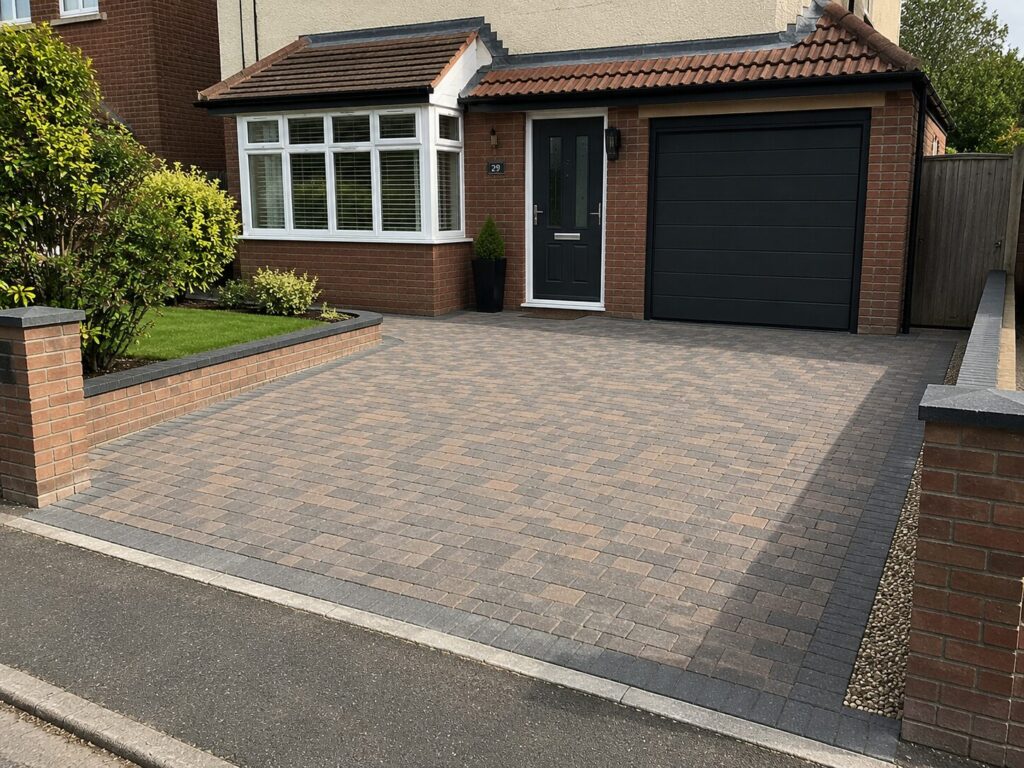
How to Clean and Maintain Block Paving
Block paving is one of the most popular driveway and patio surfaces in the UK – and when it is looked after properly, it can stay looking great for 20 to 30 years or more. The good news is that maintaining block paving does not have to be complicated or expensive. A bit of regular upkeep goes a long way.
In this guide, we cover everything you need to know about cleaning and maintaining block paving, from tackling weeds and stains through to re-sanding joints and knowing when it is time to call in a professional.
Thinking about new block paving? See our full range of paving and driveway services.
Why Block Paving Maintenance Matters
A well-installed block paved driveway or patio is built to last – but like any outdoor surface, it benefits from regular attention. Neglecting block paving over time can lead to:
- Weeds growing between the joints
- Jointing sand washing out and blocks becoming loose
- Staining from oil, moss or algae
- Surface discolouration and a tired appearance
- Blocks sinking or shifting if drainage issues are left unaddressed
The good news is that most of these issues are straightforward to deal with if you stay on top of them. Here is how.
How to Clean Block Paving
Step 1 – Clear the Surface
Before you start cleaning, remove any furniture, plant pots, vehicles or loose debris from the area. Sweep the surface with a stiff brush to remove loose dirt, leaves and grit.
Step 2 – Apply a Block Paving Cleaner or Patio Cleaner
For a thorough clean, apply a dedicated block paving cleaner or patio cleaner to the surface. These are widely available from builders merchants and DIY stores. Follow the product instructions – most require you to dilute the cleaner with water and leave it to work for a set period before rinsing.
Avoid using bleach directly on block paving as it can discolour the blocks and damage nearby plants and grass.
Step 3 – Jet Wash the Surface
A pressure washer is the most effective way to clean block paving properly. Use a wide-angle nozzle and work methodically across the surface in overlapping passes. Keep the nozzle moving and avoid holding it too close to the blocks or the joints, as too much pressure can blast out the jointing sand.
If you do not have a pressure washer, a stiff brush and a good scrub with soapy water will still make a significant difference.
Step 4 – Tackle Any Stubborn Stains
Oil and fuel stains – Apply a degreaser or dedicated oil stain remover and leave it to soak before scrubbing. Repeat if needed. Fresh stains are much easier to remove than old ones, so act quickly if you spill anything on the surface.
Moss and algae – These are common in shaded or damp areas. A patio cleaner with an algaecide will deal with most moss and algae growth. Once clean, an application of a moss inhibitor can help prevent regrowth.
Rust stains – These can come from metal furniture or garden fittings. A specialist rust remover designed for paving surfaces is the most effective approach.
Step 5 – Allow to Dry
Allow the surface to dry fully before moving on to re-sanding or applying any sealant.
How to Deal With Weeds in Block Paving
Weeds growing between block paving joints are one of the most common maintenance issues. They grow in the jointing sand and, if left unchecked, can cause joints to open up and blocks to become unstable.
Killing existing weeds A path and patio weedkiller applied directly to the joints is the most effective way to kill existing weeds. Avoid using a systemic weedkiller that could affect nearby grass or plants. Many homeowners also use boiling water as a chemical-free alternative, though this requires repeated application.
Preventing weeds coming back Once the weeds are dealt with and the surface has been cleaned, re-sanding the joints (see below) and applying a jointing sand with a weed-inhibiting formula is the best way to prevent regrowth. Sealing the surface also helps by reducing the gaps and moisture that weeds need to establish themselves.
Re-Sanding Block Paving Joints
Over time, the kiln-dried sand in the joints between blocks will wash out through rain and general use. When this happens, blocks can start to rock or shift, and weeds find it easier to establish. Re-sanding is a straightforward job that makes a big difference.
How to re-sand block paving:
- Make sure the surface is clean and dry before you start
- Remove any weeds from the joints
- Pour kiln-dried jointing sand over the surface
- Brush it into the joints using a stiff brush, working it in from multiple directions
- Use a plate compactor or repeat the brushing process to work the sand fully into the joints
- Sweep off any excess sand from the surface
- Leave to settle and top up if needed after the first rainfall
Kiln-dried jointing sand is available from most builders merchants. For a more weed-resistant finish, stabilised jointing sand or polymeric sand sets harder and is more resistant to washout and weed growth.
Should You Seal Block Paving?
Sealing block paving is optional but has some genuine benefits:
- Helps lock in the jointing sand and reduce washout
- Makes the surface easier to clean
- Can enhance the colour of the blocks
- Reduces moss, algae and weed growth
- Protects against oil and fuel stains
Block paving sealant is applied after cleaning and re-sanding. It is available in a matt finish or a wet-look gloss finish depending on your preference. It typically needs reapplying every 3 to 5 years.
How Often Should You Maintain Block Paving?
As a general guide:
- Sweep regularly – every few weeks to remove debris and prevent staining
- Jet wash – once or twice a year, ideally in spring and autumn
- Weed treatment – as needed, typically spring and summer
- Re-sand joints – every 2 to 3 years or when joints start to look depleted
- Re-seal – every 3 to 5 years if you choose to seal the surface
When to Call a Professional
Most block paving maintenance is something you can carry out yourself. However, there are times when it makes sense to call in a professional:
- Blocks are sinking, lifting or becoming unstable
- There are drainage issues causing water to pool on or around the surface
- Large sections of the driveway need relaying
- The surface is heavily stained and not responding to standard cleaning
- You want the full surface professionally cleaned, re-sanded and sealed to a high standard
At Classic Paving & Fencing, we carry out driveway and paving work across South Wales, Abergavenny, Hereford and Monmouthshire. If your block paving needs professional attention – or if you are thinking about a new installation – we are happy to take a look and give you a free, honest quote.
Thinking About New Block Paving?
If your existing driveway or patio is beyond the point of maintenance and you are considering a new installation, take a look at our tarmac vs block paving guide to help you decide which surface is right for your property. You can also read our driveway cost guide to get a better idea of what to budget before you request a quote.
Frequently Asked Questions About Block Paving Maintenance
How often should I jet wash block paving? Once or twice a year is generally sufficient for most driveways and patios. Avoid jet washing too frequently or with too much pressure as this can gradually remove the jointing sand from between the blocks.
What is the best way to remove weeds from block paving? A dedicated path and patio weedkiller applied to the joints is the most effective approach. Once the weeds are dealt with, re-sanding with a stabilised jointing sand helps prevent them coming back.
Should I seal my block paving? Sealing is optional but beneficial. It helps protect the surface from staining, locks in the jointing sand and makes the surface easier to clean. A good quality sealant typically needs reapplying every 3 to 5 years.
Why are my block paving blocks sinking or rocking? This is usually caused by jointing sand washing out, drainage issues underneath the surface, or a sub-base that was not installed correctly in the first place. If individual blocks are rocking, re-sanding may resolve it. If larger areas are sinking, it is worth getting a professional to assess the cause.
Can I pressure wash block paving myself? Yes. Use a wide-angle nozzle, keep the pressure moderate and keep the nozzle moving. Avoid holding it directly over the joints for too long as it will blast out the sand. Top up the jointing sand after washing once the surface has dried.
Classic Paving & Fencing are experienced driveway and paving contractors covering South Wales, Abergavenny, Hereford and surrounding areas. We also carry out fencing installations and shed bases and shed installation. Contact us for a free quote.